Easter cooking gluten free.

This Easter weekend with so many of us stuck at home it could be a good time to try your hand at cooking a few new things themed around the holiday. For example fish pie for Good Friday which is usually a fasting day in Catholic households which translates as no meat. Saturday could be about some gluten free hot cross buns and Sunday might be time to get out the big guns with some gorgeous sides for the prawns and ham. Monday you will probably be living on leftovers but these easy banana muffins could be a nice addition to breakfast or afternoon tea.

The fish pie recipe is from Taste.com and uses almond milk in place of dairy. The gluten free hot cross bun recipe is from the Healthy Chef. Some healthy sides for Easter could include the following;

Roast vegetables with chili jam

  • 1 large sweet potato
  • 2 red and 2 yellow capsicum
  • 4 medium tomatoes
  • 2 large carrots
  • 2 medium zuchini

Slice vegetables thinly and halve tomatoes. Spray with olive oil and bake uncovered in hot oven 20 minutes. (200 C) Turn and cook for a further 10 minutes.

Chilli Jam

  • 1 medium onion chopped finely
  • 2 crushed garlic cloves
  • 4 large tomatoes seeded and chopped
  • 1/4 cup chopped basil
  • 1/2 cup red wine vinegar
  • 80ml dry sherry
  • 2 chilis seeded and chopped
  • 3/4 cup raw sugar

Combine ingredients in large pan and bring to boil. Reduce to a simmer for 30 minutes or until thickened, stirring occasionally. Serve with roast vegetables.

French beans provencale

  • 500 g green beans
  • olive oil
  • 1 clove garlic
  • 2 tsp parsley

Wash beans, top and tail. Steam until tender Meanwhile heat oil in saucepan , stir in garlic and parsley and a pinch of salt. Add beans and toss until well combined.

Warm Cherry Tomato Salad

  • Olive Oil
  • 2 Tablesp Honey
  • 1 Tblesp oregano, tarragon and basil
  • 1 sliced onion
  • 6 shallots
  • 2 punnets cherry tomatoes
  • Vinaigrette – 2 Tblesp Balsamic, 1 Tblesp Olive Oil and 1 tsp mustard.

Heat oil stir in honey and herbs. Add onion and brown stirring constantly.. Lower heat and add tomatoes and stir gently. Serve warm and sprinkle with vinaigrette and chopped basil.

Vinaigrette – combine oil and mustard and beat in balsamic vinegar.

Gluten Free Banana Muffins

  • 1 tsp vanilla essence (add to sugar)
  • 50 g butter
  • 3 mashed bananas
  • 1 1/2 cups gluten free self raising flour or 1 cup gluten free self raising flour plus 1/2 cup of almond meal or coconut flour (coconut gives it a nice moisture)
  • 1 egg
  • 1/4 cup choc chips preferably dairy free (or 1/2 cup frozen raspberries)
  • 1/2 cup sugar

Melt butter, mix in sugar and then egg. Add in alternately flour and bananas and stir well. Then add in the choc chips. Spoon mixture into 12 muffin cases or greased muffin tray. Cook 15-20 minutes at 180 Celsius. Muffins should be lightly browned when cooked.

Christine Pope is a naturopath and nutritionist who practices at Elemental Health at St Ives. Her favourite tool for finding new recipes is googling ingredients.

Meal Plan Week Two

Following on from the previous blog (Meal Plan Week One) I am documenting some healthy eating suggestions for my family as I am still not able to prepare food easily. Well I can prep some things but lifting and bending is still challenging post surgery.

This week’s meal plan included the following ideas;

Simple Potato Curry

One or two tablespoons curry paste ( two if you prefer it spicy),
1 tsp each cumin, mustard, ginger and garlic
One onion
2 potatoes
1 piece sweet potato or pumpkin or 2 carrots
2 red capsicum
1 eggplant
2 zucchini
1 can chopped tomatoes
1 can coconut milk
Add a little oil to the pan and a chopped onion plus the spices. Fry the onion in the spices. Add two potatoes, a quarter pumpkin, two red capsicum (scrub potatoes, don’t peel – less work and better for you). Cut all the vegetables about the same size – for instance, in quarters.

Chop and slice salted eggplant and two zucchini. (Before you use eggplant – slice it, pour salt on it and then after 10 minutes wash it off). Stir this through, add a can of chopped tomatoes, cover for 20 minutes, cook on low heat. Check that the potatoes are getting soft. Add a small can of coconut milk and simmer for a further 5 mins before serving.

Variations: add a bunch of spinach (chopped) or Chinese cabbage a few minutes before its finished cooking.Leftovers will make another meal with a tin of legumes or chickpeas added.

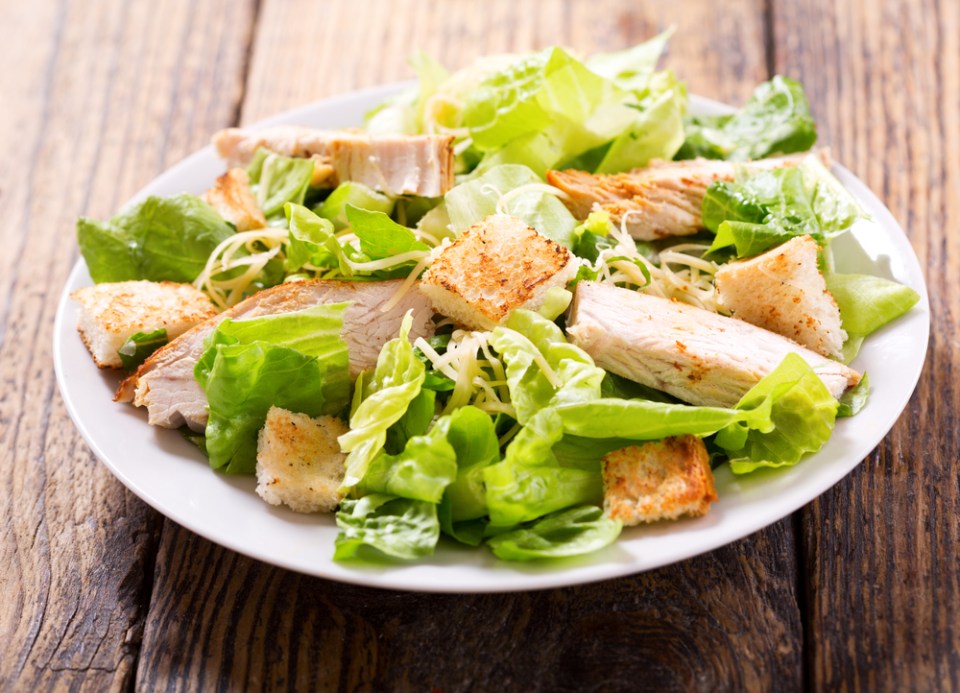
Chicken Caesar Salad

  • 300 g cooked chicken breast fillet
  • 2 panini diced (or 3-4 slices of gluten free bread)
  • 3 Tablespoons of Aoili
  • 1 Large Cos lettuce cut into bite size pieces
  • 4 slices of prosciutto
  • Grated parmesan (optional)

Lightly spray panini or bread cubes with olive oil. Brown in oven for 8-10 minutes at 180C. Allow to cool. Place prosciutto on a non stick tray or on baking paper and also cook until crisp, approx 7-10 minutes at 180C.

Place cos lettuce cut into bite size pieces in a large salad bowl and toss with Aoili until it is spread through the lettuce. Layer on cooked chicken, prosciutto and croutons and if desired grated parmesan.

Christine Pope is a naturopath and nutritionist who is based at Elemental Health St Ives. You can make appointments on 8084 0081 or online at http://www.elementalhealth.net.au .

Carrots – seasonal veggie inspirations

Carrots are a versatile vegetable and nutritionally a great source of Beta-Carotene, Vitamins B6 and K as well as minerals such as potassium . The beta carotene in carrots can be converted to Vitamin A. They are also good food for the microbiome as the soluble starch in carrots is largely pectin.

Carrots have the advantage of being ideal raw or cooked. Carrots are available year round and are usually very reasonably priced so a great addition to the weekly shop.

How do you include carrots in your meal plan? Well in addition to being a great side dish on their own they combine well with so many flavours to add to a meal. Often the base of many casseroles or pasta sauce is to start by sauteeing carrot and onion as these “fragrant” vegetables add to the flavour profile of a dish. Adding a carrot can be a good way to increase the quantity of vegetables in a dish.

Here is a list of recipe suggestions for including more carrots in your cooking. Some of these are from recent blogs and others are just recipes I use all the time at home. Carrots are also a favourite to add to roasts as they absorb flavours beautifully specially if you cook them with the lamb or chicken.

Turkey Mince bolognaise – turkey mince is a good light option for pasta sauce.

Carrot and Apple Salad – an easy and quick combination from Carol Ray with walnuts and a lemony dressing. A nice change from coleslaw.

Carrot Pumpkin and Coriander Dip this is a slightly spicier combination but makes a really interesting change from humuus.

Carrot and Onion Side Dish

  • 500 g carrots peeled and cut into rings
  • 2 brown onions peeled and sliced in thick rings
  • 2 Tblsp fresh chopped continental parsley
  • Olive Oil

Steam carrots lightly for 3-4 minutes so they are still crisp but cooked. Saute onions in olive oil for 3-4 minutes until clear and then add carrots. Saute for 2-3 minutes. Serve with chopped continental parsley.

My favourite way to serve carrots is roasted however this combination with roasted parsnip (Maple roasted carrots and parsnip) is simple and a delicious way to get children to eat more vegetables as well.

Christine Pope is a naturopath and nutritionist based at Elemental Health St Ives. You can make an appointment on 8084 0081 or online.

Is your house making you sick?

How would you know if your house is making you ill ? Symptoms can be really diverse and include allergies, fatigue, sleep disturbances and less common symptoms like multiple chemical sensitivity and infertility. To really determine whether its related to the environment you need to look at a detailed history.

The acronmyn for the history taking is PHOLD which stands for place, hobbies, occupation, lifestyle, dental, diet and drugs. So lets look at how the first issue ,place, can contribute to making you ill.

Place – your geography and your home. From everyday exposures such as living on a major road and being exposed to high levels of petroleum by products to living near an airport or a coal mine, your geography increases your risks. Both of those locations create a toxic environment in the house and are associated with a higher incidence of asthma for example.

Another common issue is mould particularly in Sydney with its high ambient humidity in Summer. Often you can smell that a house is damp or musty as you walk in. The cause of the mould is often moisture or leaks that have not been treated quickly. Other examples can include old bathrooms where the waterproof membrane has decayed and mould has built up behind the tiles and fittings. In Sydney roof leaks and rising damp often contribute to problems particularly in older houses. Mould spores whether dead or alive can contribute to chronic respiratory problems, like allergies or asthma.

Another increasingly common challenge for people is EMF fields particularly from smart meters for monitoring electrical use. People who are sensitive to these fields may find that they need to move away from the smart meter to improve their sleep. For people who are very sensitive to electro magnetic radiation it is also a good idea to switch off the wi-fi overnight. It will become increasingly more difficult to remove these sources as we switch to 5G so it is a good idea to reduce your exposures wherever possible. This could mean using headphones for the phone or the speaker where possible.

Within the context of the home its also important to consider hobbies which can involve exposure to toxins or chemicals on a regular basis. Artists for example are constantly exposed to a plethora of chemical solvents, photochemicals, and chemical additives. If you are planning to become pregnant it is important to be aware of the dangers that exist when working with various arts & crafts. Hobbies that involve the handling of dyes, pigments, metals, ceramics, glass, and chemical solvents create the potential for toxic exposure.

If you are not sure whether the home environment is contributing to ill health you can get a building biologist to do a review and advise you of concerns. This is a good starting spot and the Australian College of Environmental Studies has a list on its site if you need a referral. If you are unsure as to whether the house is the problem make sure that the next time you holiday away from home you really observe how you are feeling and it may shed some light on the issue. Certainly I know people who have told me they are always better when they are on holidays, however it may be that they are away from their mouldy house !

Constructing a timeline can often help you determine if it is related to the location or if something in the environment triggered the issue originally.

If you need a bit of assistance determining the causes Christine Pope is based at St Ives and available for appointments on 8084 0081.

Iron for vegetarians (or anyone who likes plants)

Legumes a good source of iron

One of the more difficult nutrients in a plant based diet is iron, partly because it is more difficult to absorb and partly because women in particular may have higher needs at different stages of their life. In this blog we will look at requirements at different stages, good plant sources and factors that affect absorption.

How much iron do you need ?

Requirements change depending on your age and stage, but also whether there are other stressors which may affect your needs. For women who are having heavy periods extra iron is often needed. For athletes who are doing intensive training they have a higher need for iron as the training stimulates production of red blood cells.

Generally the recommended iron intake for adults is 8mg for men and 18mg for women. For women this increases to 27mg during pregnancy. Post menopausal women drop to 8mg a day the same as men. Babies and toddlers have similar requirements regardless of gender but typically around 8-11mg a day depending on the stage.

Good plant sources of iron

  1. Nuts depending on the type are good sources of iron. Pistachio’s have 14mg of iron per 100g and are about four times higher than almonds, brazil or cashew nuts. Nut butters could be a good way to increase iron in the diet.
  2. Seeds particularly pumpkin, sesame, hemp and flaxseed. Two tablespoons average between 1 – 1.4mg of iron per serve.
  3. Legumes such as beans, peas , chickpeas and soybeans with soybeans topping the list at 8.8mg of iron per cup. Legumes are also an important source of protein for vegetarians so they have multiple benefits.
  4. Leafy green vegetables such as spinach, chard and kale often have between 2.5-6mg per cup of cooked vegetables. Included in a dish with legumes it gets easier to meet your recommended intake.
  5. Potatoes but the iron is under the skin so make sure you scrub the skin before cooking and don’t peel it off. A large potato has around 3mg and sweet potato a little less.
  6. Oyster and white mushrooms are good sources, however shitake and portobello have little iron content. The varieties noted above have around 3mg per 100g.
  7. Olives hold around 3mg per 100g .

How do I digest iron easily ?

Most people seem to know that having foods containing Vitamin C at the same time as eating iron sources improves their digestion, leafy green vegetables are a good source of iron as they usually contain both. Other factors which may impact absorption are consuming dairy products or tea at the same time as the iron source.

Dairy products may impact absorption of iron due to the high calcium content, which in some studies has been shown to lower absorption of the iron. This may not be an issue if your levels are adequate as its only reducing absorption however if you are suffering from iron deficiency it might be best to have your capuccino at least 30 minutes away from your meal.

Tea is high in tannins which constrict the mucous membranes lining the stomach. If consumed with meals it may limit your absorption of nutrients such as the non-heme iron from plants significantly, by up to 62% in one study. Again enjoying your tea away from your iron containing meal is probably fine.

Christine Pope is a practicing naturopath and nutritionist who is based at Elemental Health at St Ives. Appointments can be made through the website at www.elementalhealth.net.au or by calling 8084 0081.

Microbiome or genome – what tells you more?

shutterstock_609019046What tells us more about your risk of developing a disease, DNA or your microbiome? The explosion of DNA testing has meant that we have developed much more knowledge about an individual’s DNA. It’s also clear that simply having a particular gene or a snip does not mean you will necessarily develop the relevant condition. Our DNA is the terrain but the environment is the trigger.

The microbiome on the other hand can tell us more about whether the environment is triggering a condition. Microbial diversity is more critical to health. Loss of diversity seems to have a more negative impact on health and an overgrowth of particular strains of bacteria can also contribute to a higher risk of developing chronic diseases.

Cholesterol is a good example. Looking at the risk factors for cholesterol levels close to 50% is derived from your underlying genetics and 50% from your microbiome. A good diet which increases microbial diversity can make all the difference to your cardiovascular risks. In fact the microbiome strongly influences many of our metabolic risks including factors such as fasting glucose, lactose intolerance and waist circumference.

The bacteria in our gut enable exert their effects by the production of key metabolites. Certain gut bacteria can control the production of these metabolites and therefore significantly influence our function. An example of this is Bifidobacterium lactis. It increases the production of short chain fatty acids in the bowels. These activate the vagal nerve and signal that we feel full. So a deficiency of Bifidobacterium lactic can mean that we don’t have that signal working quickly and therefore we are prone to overeating.

shutterstock_1104385652

In conditions such as Rheumatoid Arthritis, Osteoarthritis and Ankolysing Spondylitis the gut bacteria is often low in strains that produce a metabolite called butyrate. It is often the case that the microbiome has an elevated level of Prevotella Copri or another problematic strain. That is why treatment needs to be focused as much on rebalancing the microbiome to support the strains that are healthy and to crowd out the problematic strains. Prebiotic fibres such as Saccharomyces cerevisiae (Boulaardi) can be a useful part of treatment. The other critical factor is to ensure that you are feeding the microbiome and my blog on 6 Tips for feeding your gut bacteria right! is a useful guide.

There is still a lot of emerging research in this area so please follow my blog to see the latest updates.

Christine Pope is a naturopath and nutritionist based at Elemental Health at St Ives in Sydney. If you think your microbiome needs some attention you can make an appointment online at http://www.elementalhealth.net.au or phone on 8084 0081.